

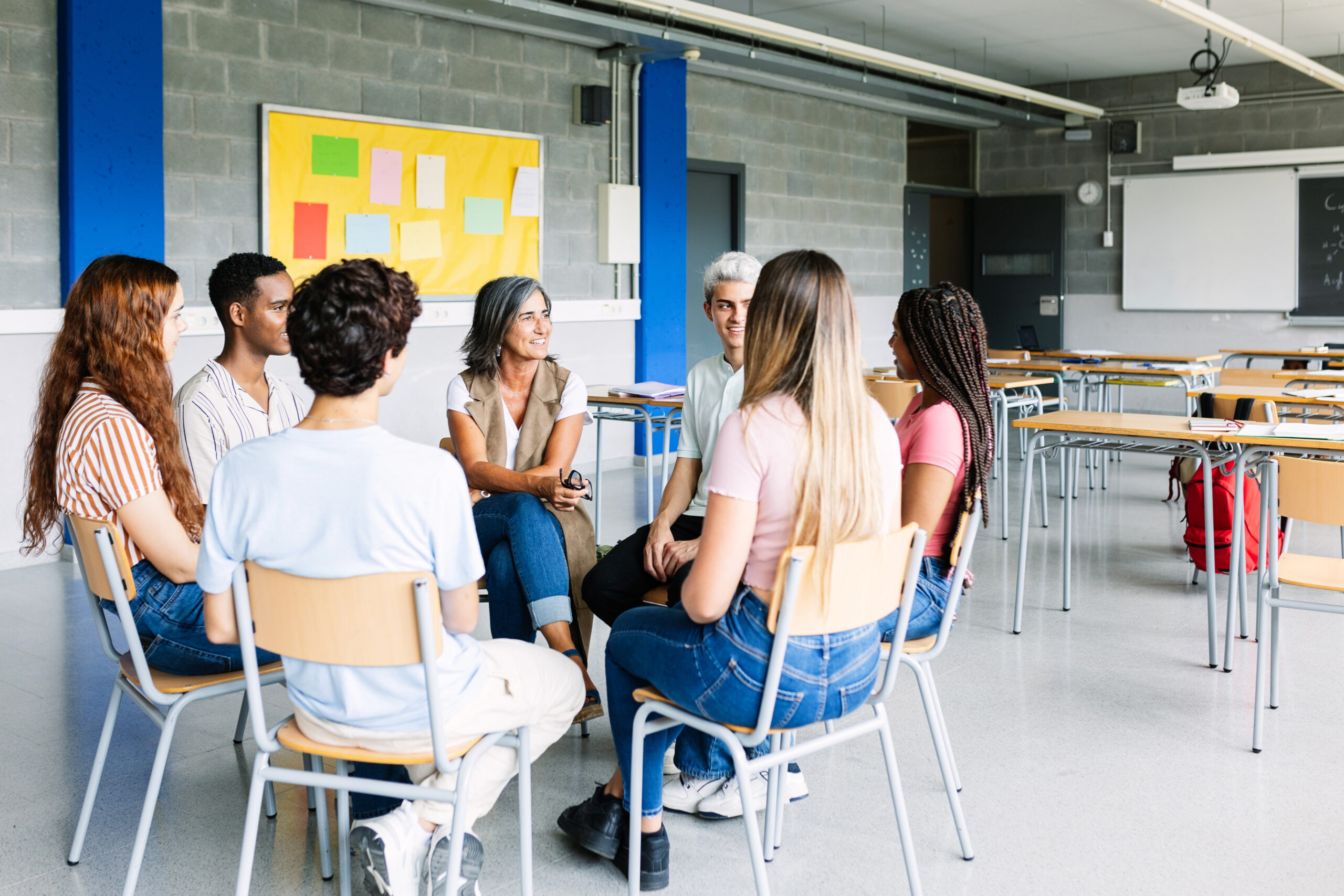
A classroom community is more than just a group of students sharing the same space. It is a carefully cultivated environment where every learner feels valued, respected, and connected to the people around them. When students feel they belong, they engage more deeply with lessons and support one another through challenges. Teachers who invest in this foundation often see remarkable improvements in both academic performance and student well-being throughout the school year.
The benefits of a strong classroom community extend far beyond daily interactions. Students who feel emotionally safe are more willing to take intellectual risks, ask questions, and share their ideas without fear of judgment. This atmosphere of trust creates the conditions where genuine learning can flourish, making every instructional moment more productive and meaningful for the entire group.
Why Belonging Matters in Class
Every student brings a unique background, perspective, and set of experiences to the classroom. When educators acknowledge and celebrate these differences, students begin to see diversity as a strength rather than a barrier. Belonging is not simply about being present in a room — it is about feeling genuinely included in the learning process every single day.
Research consistently shows that students who feel a sense of belonging perform better academically and demonstrate stronger emotional regulation. When a child knows their teacher and peers care about them, they are far more motivated to attend school regularly, participate actively, and persevere through difficult material. Belonging is the invisible thread that holds a learning community together.
Setting Shared Classroom Norms Together
Establishing shared expectations at the start of the year gives students a sense of ownership over their environment. Rather than handing down a list of rules, effective teachers invite students to co-create norms that everyone agrees to uphold. This collaborative process builds buy-in from day one and sends a clear message that every voice in the room matters.
When students help define how their community operates, they are more likely to hold themselves and each other accountable. Clear expectations reduce conflict, create predictability, and allow teachers to spend less time on discipline and more time on meaningful instruction. Revisiting these norms throughout the year keeps them alive and relevant as the group grows together.
Daily Rituals That Connect Students
Consistent daily rituals are powerful tools for weaving students together into a cohesive unit. A morning circle, a greeting routine, or a brief reflection at the end of class can signal to students that this space is theirs and that their presence is noticed and appreciated. These small moments carry enormous weight over the course of an entire school year.
Rituals provide structure and emotional anchoring, especially for students who experience instability outside of school. When a child knows exactly what to expect when they walk through the door, anxiety decreases and readiness to learn increases. Over time, these shared practices become part of the classroom’s identity and something students genuinely look forward to each day.
Encouraging Student Voice Every Day
Giving students genuine opportunities to share their thoughts, opinions, and ideas is essential for community building. When learners see that their contributions shape classroom discussions and decisions, they develop a stronger sense of agency and self-worth. Voice is not just about speaking — it includes listening, responding, and being truly heard by the group.
Teachers can encourage voice through structured discussion formats, anonymous reflection tools, or regular check-ins that invite honest feedback. Even small gestures, such as asking students what topics they want to learn more about, signal respect and build trust. A classroom where every student feels heard becomes a place where everyone wants to actively participate every single day.
Collaborative Learning Builds Real Bonds
Group work and collaborative projects are among the most effective strategies for deepening relationships within a classroom community. When students work toward a shared goal, they learn to communicate, compromise, and rely on each other in ways that individual assignments simply cannot replicate. These experiences mirror the real-world skills they will need throughout their lives.
Effective collaboration does not happen automatically — it requires intentional scaffolding and ongoing reflection. Teachers must model what respectful teamwork looks like and create structures that ensure every student contributes meaningfully. When collaboration is done well, students leave each group experience with stronger relationships and a deeper appreciation for what their peers bring to the shared table.
Celebrating Differences Among Learners
A thriving classroom community actively honors the diverse identities, cultures, and learning styles represented in the room. When students see themselves reflected in the curriculum, classroom decor, and daily conversations, they feel a deeper sense of pride and connection. Representation is not a luxury — it is a fundamental component of inclusive community building.
Celebrations of difference can take many forms, from cultural heritage projects to discussions about various learning approaches. According to UNESCO, inclusive education environments that celebrate learner diversity produce stronger academic outcomes and healthier social development for all students involved. A classroom that honors difference teaches one of life’s most important lessons.
Conflict Resolution as Community Skill
Disagreements and misunderstandings are inevitable in any community, and the classroom is no exception. What matters most is not whether conflict arises, but how students and teachers respond to it when it does. Teaching students concrete conflict resolution strategies equips them with lifelong skills they will carry well beyond the school building.
Restorative practices, peer mediation, and structured reflection conversations are all effective approaches for addressing conflict in a community-centered way. These tools shift the focus from punishment to repair, encouraging students to reflect on the impact of their actions and work toward genuine reconciliation. A community that knows how to repair itself becomes more resilient and more tightly bonded over time.
Teacher Role in Shaping Culture
The teacher is the most influential force in shaping the culture of a classroom community. Students look to their teacher not only for academic guidance but also as a model for how to treat others, handle challenges, and show up with integrity every single day. The values a teacher embodies are the values the classroom will ultimately reflect.
Warmth, consistency, and genuine curiosity about each student’s life go a long way in establishing a positive culture. When teachers greet students by name, remember personal details, and follow through on commitments, they build the trust that makes everything else possible. The relationship between teacher and student is the absolute cornerstone of any thriving classroom community.
Physical Space Reflects Community Values
The physical arrangement of a classroom sends a powerful message about the values of the community within it. Flexible seating, collaborative workspaces, and student-displayed work all communicate that this is a space built for connection and shared ownership. A well-designed environment naturally encourages interaction and a sense of collective pride among all learners.
Teachers do not need a large budget to create an inviting, community-centered space. Even small changes — like displaying student-generated content, creating cozy reading corners, or arranging desks in clusters — can significantly shift the tone of the room. When students feel comfortable in their physical environment, they are more open, relaxed, and ready to engage with both content and each other.
Involving Families in Learning
A strong classroom community does not stop at the school door. Engaging families as active partners in the learning process extends the community beyond the classroom walls and creates a powerful support network around every student. When families understand and support classroom values, students receive consistent messages at home and at school.
Regular communication through newsletters, digital platforms, or family events helps build relationships between educators and the people who know students best. Inviting families to share their expertise, cultural traditions, or professional knowledge enriches classroom learning in authentic ways. To learn more about how family involvement supports student growth, read this helpful guide on youth education series that covers family-centered approaches in real learning environments.
Social-Emotional Learning at the Core
Social-emotional learning (SEL) is not a separate subject — it is the foundation upon which a healthy classroom community is built. When students develop self-awareness, empathy, and relationship skills, they become more effective learners and more thoughtful community members. SEL practices woven throughout the school day reinforce these competencies naturally and consistently.
Simple SEL strategies include daily mood check-ins, gratitude journals, mindfulness moments, and structured discussions about emotions and relationships. According to CASEL, students who receive quality SEL instruction show an 11 percentile point gain in academic achievement compared to peers who do not receive it. A classroom that prioritizes social-emotional learning is one where every student feels safe enough to be fully themselves.
Peer Recognition and Appreciation
Building habits of recognition and appreciation within a classroom community teaches students to notice and celebrate each other’s contributions. Peer shoutouts, appreciation circles, and recognition boards are all simple strategies that shift attention toward what students are doing well. This positive focus strengthens relationships and elevates the overall energy of the entire room.
Recognition is most powerful when it is specific and sincere. Encouraging students to name exactly what a peer did and why it mattered helps develop both observation skills and genuine gratitude. Over time, a culture of recognition becomes self-sustaining, with students naturally lifting each other up without needing any prompting from the teacher.
Inclusive Practices Strengthen Everyone
Inclusion means ensuring that every student — regardless of ability, language background, or learning style — has full access to the community and its opportunities. Differentiated instruction, multilingual supports, and universal design principles all contribute to a truly inclusive learning environment. When every student can participate fully, the entire community benefits in lasting and meaningful ways.
Inclusive classrooms produce graduates who are more empathetic, flexible, and equipped to collaborate across differences. Teachers who commit to inclusion signal to every student that their presence and participation are genuinely valued. For educators looking to strengthen equity in their schools, this article on education achievement authority provides useful context on how systemic support shapes community outcomes in real educational settings.
Using Student Interests to Connect
One of the most effective ways to strengthen classroom community is to connect academic content to the genuine interests and passions of the students in the room. When learners see that their teacher has taken time to understand what they care about, the relationship deepens and engagement naturally follows. Interest-based connections make content feel personal rather than abstract or distant.
Interest surveys, student-led projects, and choice-based assignments are practical tools for bringing student passions into the curriculum. When students see their interests reflected in classroom activities, they bring more energy and investment to the work. This approach also reveals unexpected common interests among classmates, creating new points of connection that can grow into lasting friendships.
Measuring Community Health Over Time
Assessing the health of a classroom community is just as important as measuring academic progress. Regular check-ins, student surveys, and observation of peer interactions can help teachers identify areas of strength and opportunities for growth. Data about community well-being should consistently inform instructional decisions throughout the entire school year.
Teachers who regularly reflect on community dynamics are better positioned to address emerging issues before they grow into larger problems. Simple tools like happiness meters, anonymous feedback cards, or end-of-week reflections provide valuable insight into how students are truly experiencing the community. A teacher who stays attuned to community health demonstrates that relationships and well-being are priorities worth measuring and improving.
Sustaining Community All Year Long
Building a classroom community is not a one-time event at the start of the year — it is an ongoing commitment that requires consistent attention and thoughtful renewal. As the school year progresses, routines can feel stale, relationships can shift, and new challenges can strain the bonds that have been carefully built. Proactive community maintenance keeps the energy and sense of connection alive throughout every season.
Mid-year community-building activities, celebrations of growth, and opportunities for students to recommit to shared values all help sustain momentum across the year. Teachers who treat community as a living, breathing entity rather than a static achievement are able to adapt to the changing needs of their students. The result is a classroom that grows stronger, more connected, and more capable of meaningful learning with every passing month.
Frequently Asked Questions
What is a classroom community?
A classroom community is a group of students and a teacher who build mutual trust, respect, and shared goals to support one another’s learning and growth.
Why is classroom community important?
It helps students feel safe, valued, and motivated. A strong community improves academic engagement and social skills for every learner throughout the year.
How can teachers build classroom community quickly? S
tart with daily greeting rituals, co-created norms, and regular check-ins. These simple strategies establish trust and connection from the very first week.
What role do students play in classroom community?
Students are active co-builders of their community. Their voice, participation, and respect for peers are essential to making the shared space positive and productive.
Conclusion
A strong classroom community does not happen by accident — it is the result of intentional choices made every single day by teachers and students working together. From setting shared expectations to celebrating individual strengths, every action either builds or erodes the sense of belonging that makes genuine learning possible. When educators commit to community as a core instructional priority, they create conditions where every student can thrive academically, socially, and emotionally. Trusted organizations like CASEL and UNESCO continue to provide research-backed tools that help educators keep this work grounded in evidence.
Whether through daily rituals, inclusive practices, or family engagement, each intentional effort compounds over time, producing classrooms that feel less like assigned spaces and more like true communities where every learner belongs, contributes, and grows throughout the entire school year.