

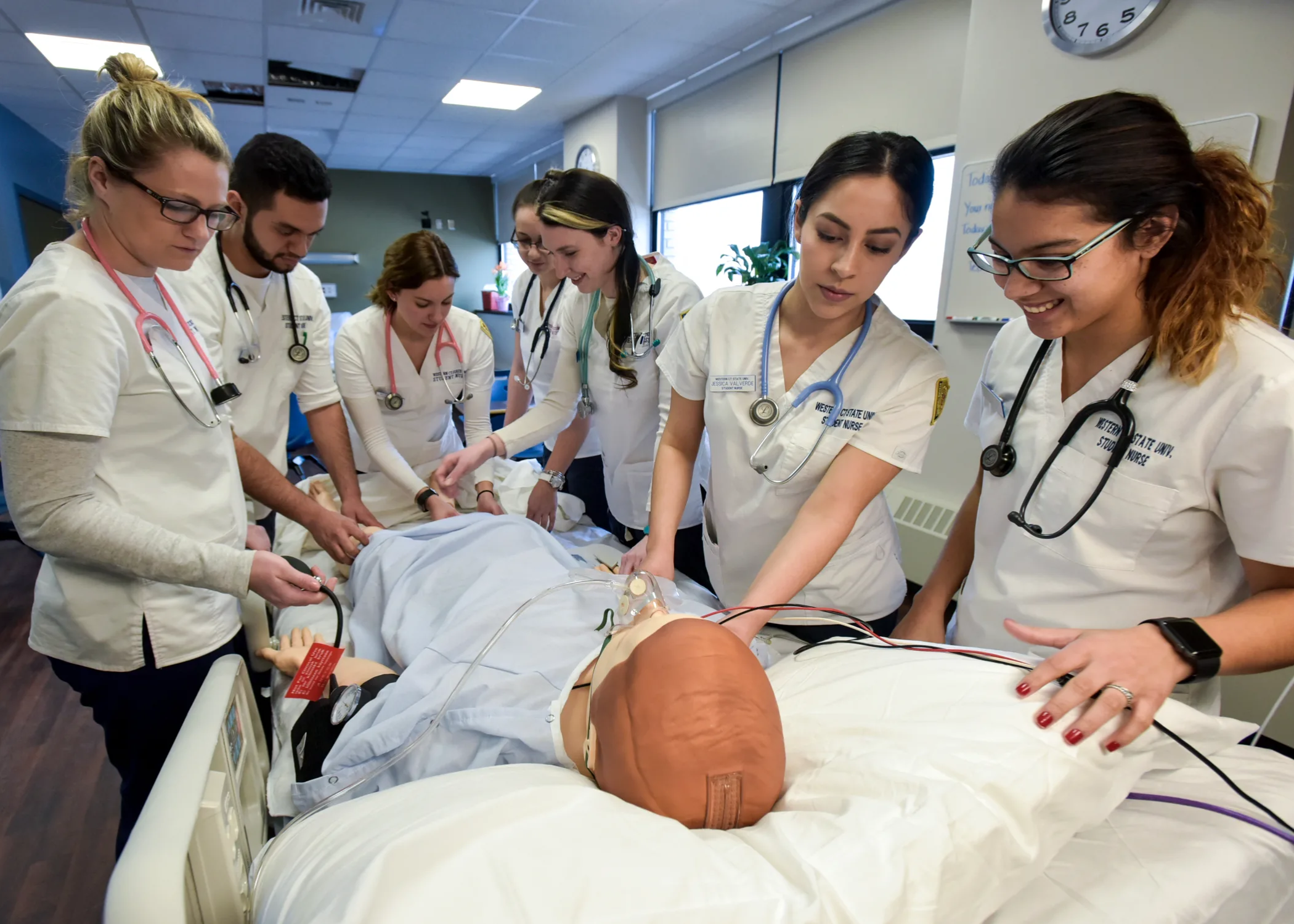
Introduction about how long is nursing school
How long is nursing school : If you’ve ever thought about becoming a nurse, one of your first questions is probably: how long is nursing school? It’s a fair question — and the honest answer is that it depends. Depending on what type of nurse you want to become and which path you choose, nursing school can take anywhere from 12 months to six or more years.
That range sounds wide, but it makes sense when you consider how many different nursing roles exist — from a Licensed Practical Nurse (LPN) handling routine patient care to a Nurse Practitioner (NP) diagnosing conditions and prescribing medications independently. Each level comes with its own educational requirements and timeline.
In this complete guide, we break down the duration of every nursing program in the U.S., compare fast-track versus traditional routes, explain the factors that can shorten or lengthen your timeline, and give you a clear picture of what to expect — so you can choose the path that fits your life and your goals.
Quick Answer: How Long Is Nursing School by Degree Type?
Here’s a bird’s-eye view before we dive into the how long is nursing school in details:
| Nursing Credential | Typical Program Length |
|---|---|
| How long is nursing school for CNA (Certified Nursing Assistant) | 4–12 weeks |
| How long is nursing school for LPN/LVN (Licensed Practical/Vocational Nurse) | 12–18 months |
| How long is nursing school for ADN (Associate Degree in Nursing) | 2 years |
| How long is nursing school for BSN (Bachelor of Science in Nursing) | 4 years |
| How long is nursing school for Accelerated BSN (for non-nurses with a bachelor’s) | 12–18 months |
| How long is nursing school for RN-to-BSN Bridge Program | 1–2 years |
| How long is nursing school for MSN (Master of Science in Nursing) | 2 years (post-BSN) |
| How long is nursing school for DNP (Doctor of Nursing Practice) | 3–4 years (post-BSN) |
| How long is nursing school for CRNA (Certified Registered Nurse Anesthetist) | 3–4 years (post-BSN/RN) |
Step 1: The Fastest Path — CNA (4 to 12 Weeks)
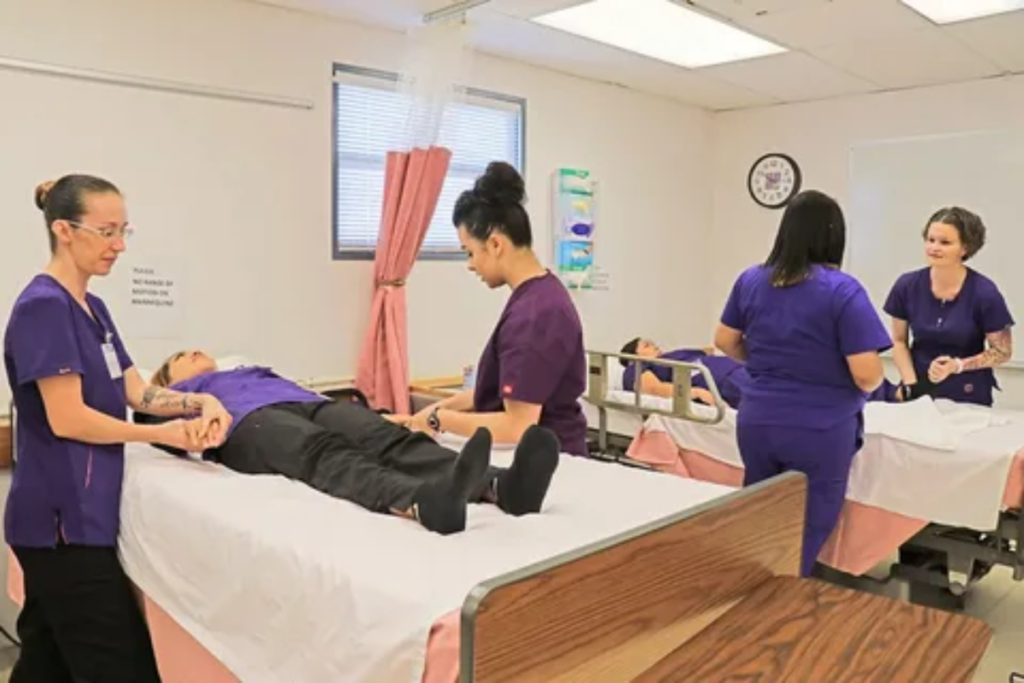
If you want to enter healthcare as quickly as possible, becoming a Certified Nursing Assistant (CNA) is the shortest path. CNA programs typically last just four to twelve weeks and are offered through community colleges, vocational schools, or directly through healthcare facilities.
CNAs — also called nurse’s aides or patient care assistants — provide hands-on support under the supervision of registered nurses and physicians. Their duties include helping patients with daily activities like bathing, feeding, and mobility.
After completing a state-approved CNA program, you’ll need to pass a two-part state competency exam: a written test and a practical skills demonstration. Once certified, you can start working immediately.
Why this matters for your nursing career: Many nursing students begin as CNAs to gain real clinical experience while pursuing a longer degree. It’s a smart strategy that builds your resume and prepares you for the more intensive academic stages ahead.
how long is nursing school and How Long Is LPN/LVN School? (12 to 18 Months)
LPN (Licensed Practical Nurse) programs — called LVN programs in Texas and California — are the fastest route to independent nursing practice. These programs typically take between 12 and 18 months to complete, though some accelerated LPN tracks can be finished in as few as seven months if attended full time.
LPNs and LVNs provide basic patient care under the supervision of registered nurses or doctors. Responsibilities include monitoring vital signs, administering medications, wound care, and patient education.
What You’ll Study in an LPN Program
- Basic anatomy and physiology
- Fundamentals of nursing care
- Medication administration and pharmacology
- Maternal and pediatric care
- Mental health nursing
- Clinical rotations in real healthcare settings
After graduating, LPNs must pass the NCLEX-PN examination to earn their license. According to the Bureau of Labor Statistics, the average annual salary for an LPN was approximately $64,150 as of 2024 — solid pay for a credential earned in under two years.
Important note: Many nurses use an LPN as a stepping stone. LPN-to-RN bridge programs allow you to apply your LPN credits toward an ADN or BSN, shaving significant time off your journey to becoming an RN.
How Long Does It Take to Become an RN? (2 to 4 Years)
Registered Nurses (RNs) make up the backbone of the U.S. healthcare system. There are two main educational routes to RN licensure: the Associate Degree in Nursing (ADN) and the Bachelor of Science in Nursing (BSN).
ADN Programs: 2 Years
An Associate Degree in Nursing (ADN) is the quickest traditional path to becoming an RN. ADN programs typically take two to three years to complete and are commonly offered through community colleges.
ADN programs focus heavily on practical nursing skills and patient care. You’ll complete a combination of classroom coursework and clinical hours. After finishing the program, you must pass the NCLEX-RN exam to become a licensed Registered Nurse.
ADN advantages:
- Lower tuition cost than a four-year BSN
- Faster entry into the workforce
- Credits can often be transferred to a BSN program later
ADN disadvantages:
- Some hospitals now prefer or require BSN-educated nurses
- Fewer advancement opportunities without further education
- Less preparation for leadership and research roles
BSN Programs: 4 Years
A Bachelor of Science in Nursing (BSN) is a four-year degree that provides a more comprehensive education compared to an ADN. BSN programs include everything in an ADN curriculum plus leadership, research, public health, and community nursing. Most programs require completing 700 to 800 clinical hours.
Major hospitals — particularly Magnet-designated facilities — increasingly prefer or require BSN-prepared nurses. The Institute of Medicine has recommended that 80% of the nursing workforce hold a BSN or higher by 2020, and many healthcare systems have adopted hiring policies that reflect this standard.
BSN advantages:
- Better career advancement opportunities
- Higher earning potential over a career
- Required for many leadership and specialized roles
- Prerequisite for graduate nursing programs
BSN disadvantages:
- Longer time commitment (4 years vs. 2)
- Higher total tuition cost
Accelerated Nursing Programs: The Fast-Track Options
Not everyone starting nursing school is a fresh high school graduate. Many people are career changers or already hold a bachelor’s degree in another field. For them, accelerated programs make far more sense.
Accelerated BSN (ABSN): 12 to 18 Months
If you already have a bachelor’s degree in a non-nursing field, you can enroll in an Accelerated Bachelor of Science in Nursing (ABSN) program. These intensive programs compress the typical four-year BSN into 12 to 18 months by assuming you already have a college-level academic foundation.
ABSNs are demanding — expect a full-time immersive experience with little room for outside work. But for those who can commit, they represent one of the fastest ways to become a fully licensed RN with a bachelor’s credential.
Tuition for ABSN programs typically ranges from $15,000 to $60,000, though some programs at private universities can exceed $100,000.
RN-to-BSN Bridge Programs: 1 to 2 Years
Already an RN with an ADN? An RN-to-BSN bridge program lets you upgrade your credential without repeating clinical work you’ve already done. Most RN-to-BSN programs take less than two years and are widely available online, making them ideal for working nurses.
Many hospitals now offer tuition reimbursement for nurses pursuing an RN-to-BSN, so the financial barrier is often lower than people expect.
LPN-to-RN Bridge Programs
For LPNs who want to advance, LPN-to-ADN or LPN-to-BSN bridge programs allow you to apply your existing clinical training toward an RN degree. These typically take one to two additional years beyond your LPN credential.
Advanced Nursing Degrees: MSN, DNP, and CRNA
For nurses who want to specialize, teach, lead, or practice at the highest clinical levels, graduate education opens new doors.
MSN (Master of Science in Nursing): 2 Years
An MSN typically takes two years of post-BSN study. MSN-prepared nurses can pursue roles such as:
- Nurse Practitioner (NP)
- Clinical Nurse Specialist (CNS)
- Nurse Educator
- Nurse Administrator/Executive
Some programs offer direct-entry MSN pathways for students who hold a non-nursing bachelor’s degree, combining RN licensure preparation with graduate-level study.
DNP (Doctor of Nursing Practice): 3 to 4 Years
The DNP is the terminal clinical degree in nursing. It typically takes three to four years after a BSN (or two years post-MSN). DNP-prepared nurses are equipped for the highest levels of advanced clinical practice and healthcare leadership.
CRNA (Certified Registered Nurse Anesthetist): 3 to 4 Years
CRNAs are among the highest-paid nurses in the U.S. Becoming a CRNA requires a BSN, at least one year of acute care RN experience, and completion of an accredited nurse anesthesia program — which takes an additional three to four years. The total path from high school to CRNA can take 10 or more years, but median salaries well above $200,000 reflect the extensive training required.
NP (Nurse Practitioner) Programs: 2 to 3 Years Post-BSN
Nurse Practitioners are one of the fastest-growing healthcare occupations in the United States. According to the Bureau of Labor Statistics, demand for NPs is projected to grow 46% from 2023 to 2033 — more than ten times faster than the average for all occupations. NPs earn a median salary of approximately $129,210 per year.
Factors That Affect how long is nursing school
The timelines above are averages. Your actual journey could be shorter or longer depending on several variables:
1. Full-Time vs. Part-Time Enrollment and how long is nursing school.
Full-time students follow the standard program timelines. Part-time enrollment extends your duration but gives you more flexibility to work and manage personal responsibilities.
2. Transfer Credits
If you’ve already completed college-level coursework in biology, anatomy, psychology, or related subjects, many programs will accept those credits. This can reduce your required coursework by one semester or more.
3. Prerequisites
Most nursing programs require you to complete prerequisite courses before entering the core nursing curriculum — things like microbiology, statistics, and human anatomy. Completing these before applying can significantly reduce your time in the program itself.
4. Online vs. In-Person Programs
Online nursing programs often offer more scheduling flexibility, which can allow working students to progress at a manageable pace. However, all nursing programs still require in-person clinical hours — there is no fully online path to nursing licensure.
5. Repeat Coursework
Nursing programs are competitive, and some courses (particularly pharmacology and anatomy) have high failure rates. Repeating a course can add a semester or more to your timeline.
6. Program Waitlists
Many community college ADN programs have waitlists that can extend your start date by one to two years. Private nursing schools or university-based BSN programs often have shorter waitlists, making them attractive options for those who want to start sooner.
7. Accelerated Format Availability
Accelerated programs require more intensity but compress your timeline dramatically. If you can handle a heavier academic load, this is one of the most effective ways to shorten your journey.
The NCLEX: What Comes After Nursing School
Completing your nursing program is not the final step. To practice as an RN or LPN in the United States, you must pass the National Council Licensure Examination (NCLEX).
- NCLEX-RN is required for Registered Nurses (ADN and BSN graduates)
- NCLEX-PN is required for Licensed Practical/Vocational Nurses
The exam costs $200, and you’ll also need to submit a licensure application to your state nursing board. According to 2023 data, the overall NCLEX-RN pass rate was approximately 69.66%, making adequate preparation essential.
After passing the NCLEX, most states process licenses within a few weeks, though some offer temporary practice permits while your full license is in review.
How long is nursing school and How Much Does Nursing School Cost?
Tuition varies widely depending on program type and institution:
| Program | Estimated Total Cost |
|---|---|
| CNA | $500–$2,000 |
| LPN/LVN | $10,000–$25,000 |
| ADN (Community College) | $6,000–$20,000 |
| BSN (Public University) | $40,000–$80,000 |
| BSN (Private University) | $100,000–$200,000+ |
| ABSN | $15,000–$100,000+ |
| MSN | $20,000–$70,000+ |
Financial aid, scholarships, and employer tuition reimbursement are widely available. Many hospitals offer full tuition assistance for nurses pursuing an RN-to-BSN or MSN, especially given the current national nursing shortage.
Is Nursing School Worth the Time? The Career Outlook
Considering how long nursing school takes, it’s natural to wonder if the investment pays off. The numbers suggest it does — strongly.
According to the Bureau of Labor Statistics, employment for registered nurses is projected to grow 5% from 2024 to 2034, generating approximately 166,100 annual job openings. The WHO has warned of a potential shortage of 9 million nurses globally by 2030, and the U.S. is already feeling that strain.
In 2025, nursing programs across the country reported a drop in enrollment for the eleventh consecutive year — meaning those who do graduate are entering a market with strong demand and competitive compensation.
Median salary benchmarks (2024–2025):
- LPN/LVN: ~$64,150/year
- RN: ~$82,750–$98,430/year
- Nurse Practitioner: ~$129,210/year
- CRNA: $200,000+/year
Beyond pay, nursing offers strong job security, geographic flexibility, varied specialties, and the deep satisfaction of meaningful patient care — factors that keep nurses committed to their field even through demanding programs.
What No One Tells You: The Hidden Time Investments in Nursing School
Most articles cover program lengths, but they skip the less-discussed realities that affect your actual timeline. Here’s what to genuinely prepare for:
Clinical Hours Are Non-Negotiable
All nursing programs require hands-on clinical hours in real healthcare settings. A BSN typically requires 700 to 800 clinical hours. These hours are scheduled around hospital and faculty availability — including weekends, nights, and even overnight shifts. You cannot substitute simulated experience for the full clinical requirement.
Study Time Is Substantial
Nursing students routinely spend 20 to 40 hours per week studying outside of class. Pharmacology, pathophysiology, and clinical reasoning are not subjects you can cram. Budget realistic study time when planning your schedule.
Licensure Prep Adds Time
After graduation, most students spend two to eight weeks in intensive NCLEX preparation before sitting for the exam. Review courses can cost anywhere from $25 to over $500.
Background Checks and Fingerprinting
All nursing candidates must pass a criminal background check before receiving licensure. Certain convictions can affect eligibility, so it’s worth checking your state’s nursing board guidelines early in your educational journey.
Choosing the Right Nursing Path for You and also knowing How long is nursing school for you ?
With so many options, how do you decide which nursing program is right for your situation? Consider these questions:
How quickly do you need to start working? If financial urgency is a factor, an LPN program (12–18 months) or community college ADN (2 years) gets you into the workforce fastest. You can always advance your credential later.
Do you already have a bachelor’s degree? If yes, an ABSN program can get you to RN licensure in as little as 12 months. You skip years of general education and jump straight into nursing.
Do you want to specialize or advance into leadership? If you’re thinking about becoming a NP, CRNA, or nursing administrator, starting with a BSN saves time in the long run — you won’t need bridge programs later.
What’s your budget? Community college ADN programs offer one of the best returns on investment in higher education. Private accelerated programs are faster but significantly more expensive.
Are you already working as a nurse? If you’re an LPN or ADN-prepared RN, online bridge programs let you advance without stopping work — an increasingly common and practical path.
FAQs: how long is nursing school?
how long is nursing school take to become a nurse from scratch?
Starting from high school, it takes a minimum of 12 to 18 months to become an LPN, or two to four years to become a licensed RN, depending on whether you pursue an ADN or BSN.
how long is nursing school or Can I become an RN in 2 years?
Yes. An Associate Degree in Nursing (ADN) typically takes two years and qualifies you to sit for the NCLEX-RN to become a licensed Registered Nurse.
What is the fastest nursing degree to get? and in that case How long is nursing school ?
A CNA program (4–12 weeks) is the fastest credential. For independent nursing practice, an LPN program (12–18 months) is the fastest route.
Is nursing school harder than other programs and how long is nursing school as compare to other programs ?
Nursing school is academically rigorous. The combination of science-heavy coursework, clinical rotations, and high-stakes licensing exams requires consistent effort and strong time management.
How long is nursing school for a nurse practitioner?
Becoming an NP typically requires a BSN (4 years) plus an MSN or DNP (2–4 more years). Total educational path: 6–8 years after high school, depending on the route.
Can I go to nursing school online? and in that case how long is nursing school?
Some nursing courses can be completed online, but all programs require in-person clinical rotations in accredited healthcare facilities. There is no fully online path to nursing licensure.
Does prior college education shorten nursing school?
Yes. Transfer credits, completed prerequisites, and existing degrees can all reduce your program length. ABSN programs are specifically designed for people with prior bachelor’s degrees.
How long is nursing school if I already have a non-nursing degree?
With a prior bachelor’s degree, an Accelerated BSN (ABSN) can qualify you for RN licensure in as little as 12 to 18 months.
Final Thoughts about how long is nursing school
So, how long is nursing school? The short answer: anywhere from 12 months to six-plus years, depending on your goal. The better question is: which path is right for you?
Whether you’re drawn to fast entry through an LPN program, the well-rounded foundation of a BSN, or the advanced practice autonomy of an NP, there’s a clear educational pathway to get you there. The nursing field is growing rapidly — with strong salaries, exceptional job security, and meaningful work — making the time investment well worth it for those called to care.
Start by identifying the type of nurse you want to become. Research accredited programs in your state. Speak with an admissions counselor. And take that first step.
Insted of thinking how long is nursing school just take a start because Your patients are waiting