

Middle school books don’t get enough credit.
Parents obsess over elementary reading lists. High school literature gets discussed seriously. But the books a child reads between ages eleven and fourteen quietly shape how they think, feel, and see the world in ways that last decades.
That window matters more than most people realize.
What Makes Middle School Books Different
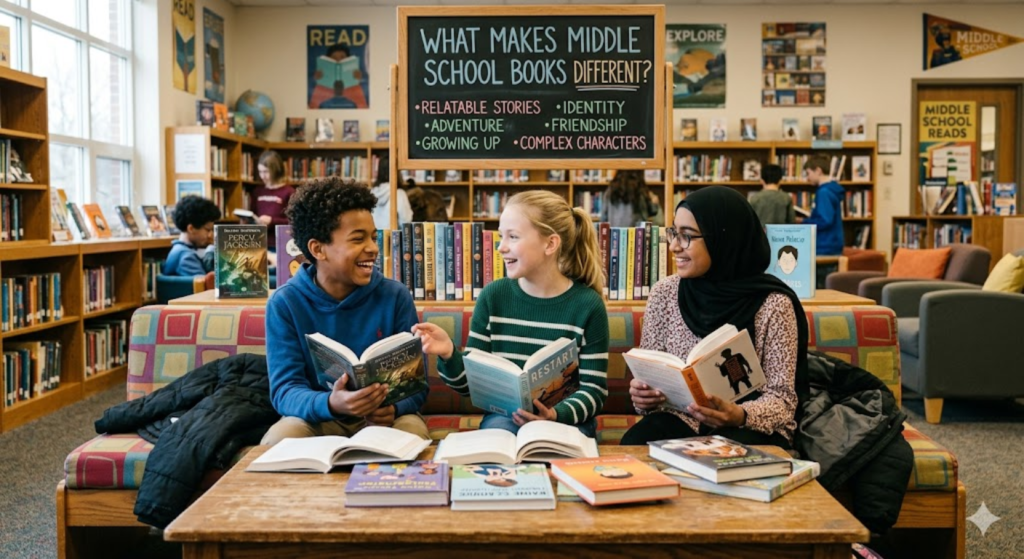
Middle school is not elementary school with harder words.
It’s a completely different emotional landscape.
Students at this age are dealing with identity questions, social pressure, friendship complexity, and the first real encounters with failure and disappointment. The books that reach them during this period don’t just teach reading comprehension. They provide language for experiences the child doesn’t yet have words for.
That’s a different job than any other stage of reading education does.
Why This Age Group Gets Overlooked
Elementary reading gets attention because the mechanics of reading are being learned.
High school literature gets attention because it feeds into college preparation and standardized testing.
Middle school falls in between.
The reading skills are mostly established. The high stakes testing pressure hasn’t fully arrived yet. So the middle years get treated as a bridge rather than a destination. A placeholder between learning to read and reading seriously.
That’s a mistake. Because the books that hit a twelve year old at exactly the right moment leave marks that a college syllabus never quite replicates.
The Books That Actually Work at This Age
Middle school books that genuinely connect with students share certain qualities.
They treat young readers as intelligent. The best middle school books never condescend. They tackle real emotions, complicated situations, and genuine moral complexity without softening everything into a lesson.
They feature characters in recognizable situations. Not fantasy removed from daily life — though fantasy works beautifully at this age too — but characters dealing with friendship betrayal, family tension, feeling invisible, and trying to figure out who they actually are.
They move. Pacing matters more at this age than at almost any other reading level. A middle school student who loses interest in chapter two won’t reach chapter three regardless of how important the teacher thinks the book is.
Classic Middle School Books That Still Deliver
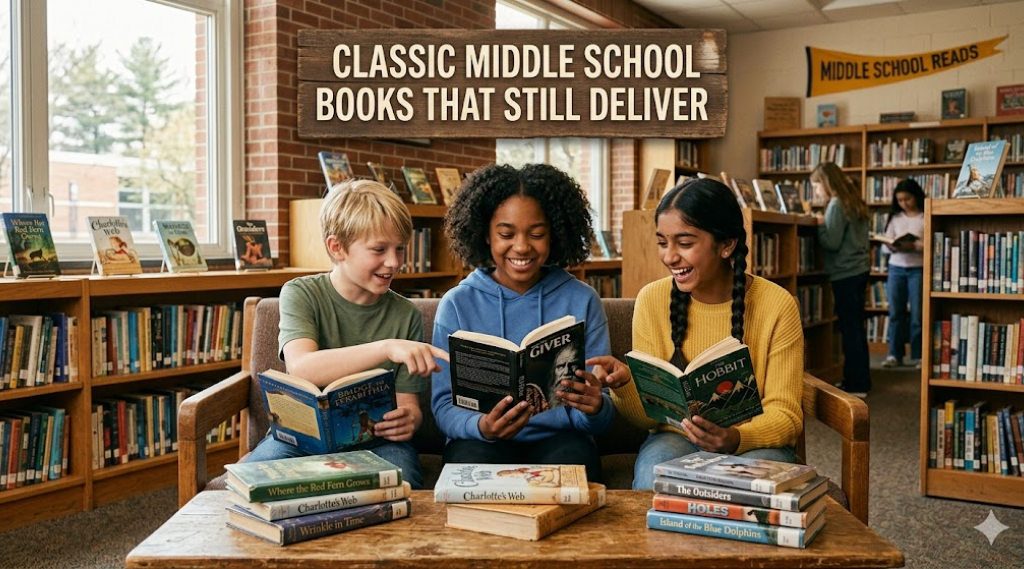
Some books have stayed on middle school reading lists for decades because they keep working.
The Outsiders by S.E. Hinton was written by a seventeen year old and reads like one. It captures class tension, loyalty, and identity in ways that resonate with every generation of middle schoolers who encounters it.
Wonder by R.J. Palacio handles difference, kindness, and social cruelty with enough emotional honesty to genuinely affect students rather than just inform them.
Hatchet by Gary Paulsen gives readers a survival story that works as pure adventure while quietly building themes of self-reliance and resilience that land without ever feeling like a lesson.
The Giver by Lois Lowry introduces concepts of conformity, memory, and individual choice in a way that middle school students can feel before they can fully articulate. That gap between feeling and articulation is exactly where the best middle school books operate. For a broader look at how structured reading programs are being built around student development stages, this overview of youth education series explains how thoughtful book selection at each age level produces measurably different engagement and comprehension outcomes.
What the Research Says About Reading at This Age
The data on middle school reading is consistent and mostly ignored.
Students who read regularly during middle school demonstrate stronger vocabulary, better writing ability, and higher critical thinking scores through high school and into college. The effect compounds. A strong middle school reader enters high school with advantages that accumulate rather than diminish.
The challenge is that middle school is also when voluntary reading drops most sharply. Elementary students read because reading is the activity. High school students read because assignments require it. Middle school students are at the pivot point where reading either becomes a chosen habit or something done only under obligation.
The books available during that pivot point determine which direction most students go. According to the American Library Association, access to engaging, age-appropriate books during middle school years is one of the strongest predictors of lifelong reading habits — more influential than any single instructional approach.
How Parents Can Actually Help
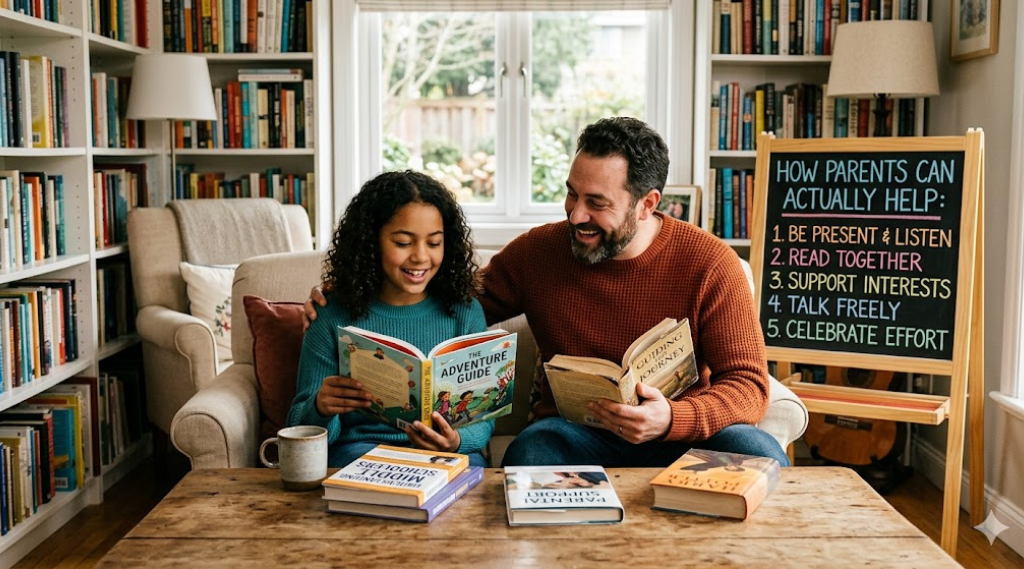
Recommending books to a middle schooler requires more tact than most parents expect.
The fastest way to make a book unappealing is to enthusiastically tell a twelve year old they’ll love it. Something about adult endorsement makes books feel like vegetables. Required. Possibly good for you. Not something chosen freely.
What works better is leaving books around. Having them visible. Mentioning a plot detail casually without the full recommendation energy. Letting the child pick up the book on their own terms and feel like the discovery was theirs.
It sounds indirect because it is. But it works significantly better than assigned enthusiasm.
The Role of Schools in Middle School Book Selection
School reading lists carry enormous influence over what middle school students encounter.
The tension in middle school book selection is real. Books that are challenging enough to genuinely matter sometimes deal with themes that make selection committees uncomfortable. Books safe enough to sail through approval sometimes lack the emotional honesty that makes reading stick.
The best middle school educators navigate this by mixing required texts with significant free choice reading time. Students who choose their own books read more, retain more, and develop stronger reading identities than students whose entire reading diet is assigned. For context on how education forums are discussing middle school curriculum decisions in real time, this piece on education discussion forums captures how parents, teachers, and administrators are working through these selections together in ways that weren’t possible before community platforms existed.
New Middle School Books Worth Knowing About
The middle school book landscape has expanded significantly in recent years.
Diverse voices and perspectives are more represented than at any previous point in the genre’s history. Stories centered on characters from different cultural backgrounds, family structures, and life experiences give middle school readers both mirrors and windows — books that reflect their own experience and books that open genuinely new ones.
Front Desk by Kelly Yang handles immigration, family sacrifice, and belonging with specificity and warmth that reaches students across backgrounds.
Hey, Kiddo by Jarrett J. Krosoczka is a graphic memoir about growing up with a parent struggling with addiction. It handles a difficult subject with enough honesty and care that it reaches students carrying similar experiences who rarely see them represented in school reading.
What Happens When the Right Book Finds the Right Reader
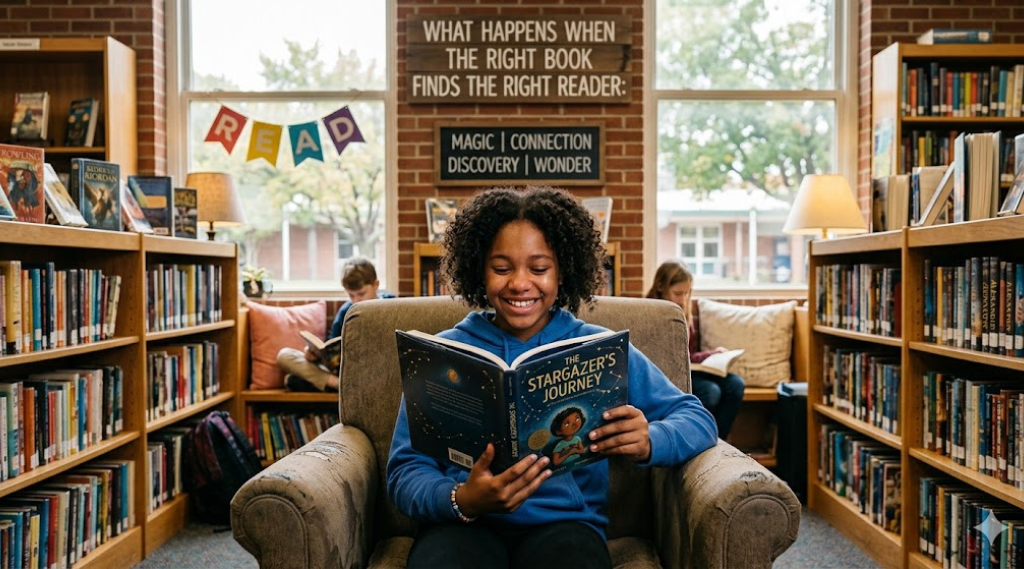
Teachers and librarians who work with middle school students describe the same phenomenon repeatedly.
A student who claimed not to like reading finds one specific book. They finish it in two days. They come back wanting another one just like it. And the reading identity that was stalled suddenly starts moving.
That’s not magic. That’s what happens when a book meets a reader at exactly the right developmental moment with exactly the right story.
The job of parents, teachers, and librarians isn’t to make every middle school student love reading through force or enthusiasm. It’s to put enough good books in enough accessible places that the right book eventually finds the right reader.
When it does, something shifts that rarely reverses.
FAQ
What reading level are middle school books?
Most middle school books target readers between grades six and eight, roughly ages eleven to fourteen, with vocabulary and themes appropriate for that developmental stage.
How many books should a middle schooler read per year?
There’s no magic number but most reading research suggests consistent daily reading matters more than hitting a specific book count. Even twenty minutes of daily reading produces measurable long-term benefits.
Are graphic novels considered real middle school books?
Absolutely. Graphic novels require sophisticated visual literacy alongside text comprehension. Many reluctant readers find their reading identity through graphic novels before transitioning to prose.
How do I get my middle schooler to actually read?
Reduce pressure and increase access. Let them choose their own books. Keep reading material visible and available. Read yourself where they can see it. Avoid turning book recommendations into requirements.
Conclusion
Middle school books are doing some of the most important work in a young person’s reading life.
Not because the books are the most literary. Not because the assignments are the most rigorous. But because the reader is at the most open and impressionable stage of their relationship with stories.
The right book at twelve can shape how a person thinks about fairness, identity, friendship, and courage in ways that echo for decades.
That’s not an argument for any specific title or reading list.
It’s an argument for taking this age group seriously as readers.
They deserve books that take them seriously in return.