


Chai’s still warm and I’m already thinking about how many small business owners overcomplicate small business marketing the moment someone mentions “strategy.” Funny thing — the ones who actually grow don’t overthink it, they just repeat what works, over and over, without much drama.
Small business marketing isn’t some locked vault only agencies understand. Honestly, most of what moves the needle could be scribbled on a napkin between customers. I’ve watched shopkeepers, freelancers, and tiny two-person teams figure this out the hard way, and what follows is basically that napkin, cleaned up a little.
Start Where Customers Gather
You don’t need five platforms running at once. Pick the one place your actual buyers hang out and go loud there instead of spreading yourself thin.
A bakery owner I know ignored Twitter completely and just posted messy, real photos on Instagram. Sold out by 10am most Saturdays, no ad budget involved.
Trying to be everywhere usually means being forgettable everywhere. Small business marketing works better narrow and consistent than wide and half-hearted — that pattern shows up again and again.
Word Of Mouth Wins

Nobody talks about this enough, but referrals still beat ad spend for most local businesses, even now. A short thank-you note, a small referral discount, or just asking “who else might need this?” — tiny nudges, big compounding effect.
I’ll admit, this feels almost too old-school to actually work. But it does, every single time I’ve watched it play out.
Skip The Fancy Website
Your website needs to load fast, say what you do in one line, and make contacting you painfully easy. That’s really it. A cluttered homepage with five popups scares people off before they read a single sentence.
Hannah Harris at HubSpot walks through this exact groundwork in her small business marketing playbook, and one line stuck with me — foundational content is what people check when deciding if you’re legit or not.
Email Lists Age Well
Social platforms rewrite their rules constantly, without asking anyone’s permission. Your email list, on the other hand, is yours permanently — nobody can shadowban it.
Even a short monthly note, no fancy design, just an honest update, keeps you top of mind without begging for attention every week.
| Marketing Channel | Cost to Start | Best For |
| Email newsletter | Low | Repeat customers |
| Local SEO listing | Low | Nearby foot traffic |
| Instagram/Reels | Low–Medium | Visual products |
| Paid local ads | Medium | Fast visibility |
| Referral program | Low | Word-of-mouth growth |
Small business marketing budgets are usually tight, so a table like this helps decide where the first rupee actually goes before anything else.
Local Listings Matter Most
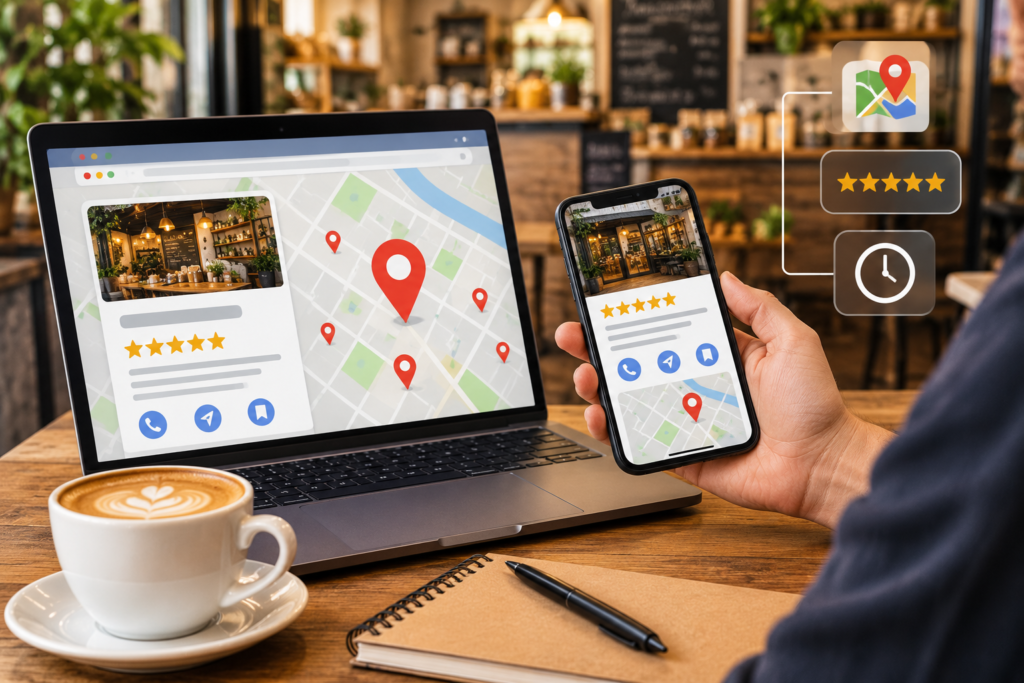
Half the small businesses I’ve worked with skip updating their Google Business Profile entirely, then wonder why nobody nearby finds them. Hours, photos, a couple of recent reviews — genuinely enough to start showing up in local search.
The federal government’s own guide on marketing and sales points out that a marketing plan should factor in your target market and how you’ll actually reach it, and local listings quietly do that reaching work in the background, all day, every day.
Consistency Beats Creativity
This one surprised me too, honestly. A boring-but-steady posting habit outperforms one brilliant idea posted once and then forgotten within a week.
Customers trust rhythm. They start expecting you, almost like a routine they didn’t sign up for but appreciate anyway. Small business marketing doesn’t reward genius bursts nearly as much as it rewards showing up, week after week, even on the days it feels repetitive and pointless.
Track What Sells
Not likes. Not followers. Sales, actual rupees changing hands. Ask new customers one simple question: “how’d you hear about us?” Write the answers down somewhere, even a battered notebook works fine.
Patterns show up faster than most people expect. Small business marketing without tracking is basically guessing, just with extra steps and more confidence than it deserves.
Conclusion
Money isn’t really the missing piece for most small businesses — attention is. Small business marketing rewards the boring stuff repeated on loop, not some clever one-time stunt. Funny how that works out. The shops and freelancers actually growing steadily? Rarely the flashiest ones on your feed. They picked one channel, maybe two, stuck with it past the awkward slow phase, and paid attention when someone bothered explaining how they’d found them. That question — “how’d you hear about us” — gets skipped more than anything else on this list, and it’s probably the single most useful habit here.
Nothing above needs a big team behind it, or a budget that keeps you up at night. A bakery snapping real photos on a phone. A shop owner asking one extra question at checkout. A freelancer typing out a plain email once a month. None of it’s complicated — that’s the whole point, actually. People make small business marketing sound intimidating because they assume it needs to look polished before it works. It doesn’t. It needs repetition, loose tracking, and a focus on actual humans instead of vanity numbers sitting in an app nobody checks twice.
Pick just one tip. Not all seven at once — that’s the fastest route to burning out by week two and giving up entirely. Whichever one fits your business right now, run with it for a full month before layering on another. Small moves, done consistently, beat big dramatic ones almost every time — especially when margins are tight and so is your time. Give it an honest shot before deciding it doesn’t work.
FAQs
Q1: Is small business marketing expensive to start?
Barely, if you’re smart about it. Most of what’s listed above costs time more than money — a newsletter, an updated listing, a quick referral ask. None of it needs a budget line.
Q2: How often should I post on social media?
Frequency isn’t the real driver here — showing up matters more. Three solid posts a week, thought through, will outperform daily posting that feels rushed or forgettable.
Q3: Do I need a website if I’m already active on social media?
Honestly, yes. Platforms change their rules whenever they feel like it, restricting reach overnight. A website stays yours, no algorithm involved, and gives people somewhere stable to land.
Q4: What’s the fastest way to bring in more local customers?
Go update your Google Business Profile today — real hours, fresh photos, a couple recent reviews. That single move often beats a paid campaign for speed.
Q5: Should I stick to one marketing channel or spread across several?
One channel, done properly, almost always wins over several done halfway. Get good at it first, then think about expanding once it’s clearly pulling weight.
Q6: How do I actually know what’s working?
Ask. Every new customer, one question — how’d they find you? Jot it down anywhere. Patterns surface quicker than expected once you’re tracking even loosely.
Q7: Does email marketing still matter for small businesses?
More than people assume. Your list belongs to you outright — no platform can bury it under an algorithm update or shifting policy overnight.
Q8: Can referrals genuinely replace paid ads?
For plenty of small businesses, yes. A small referral perk or a sincere thank-you often pulls in more loyal customers than a short paid campaign ever does.