

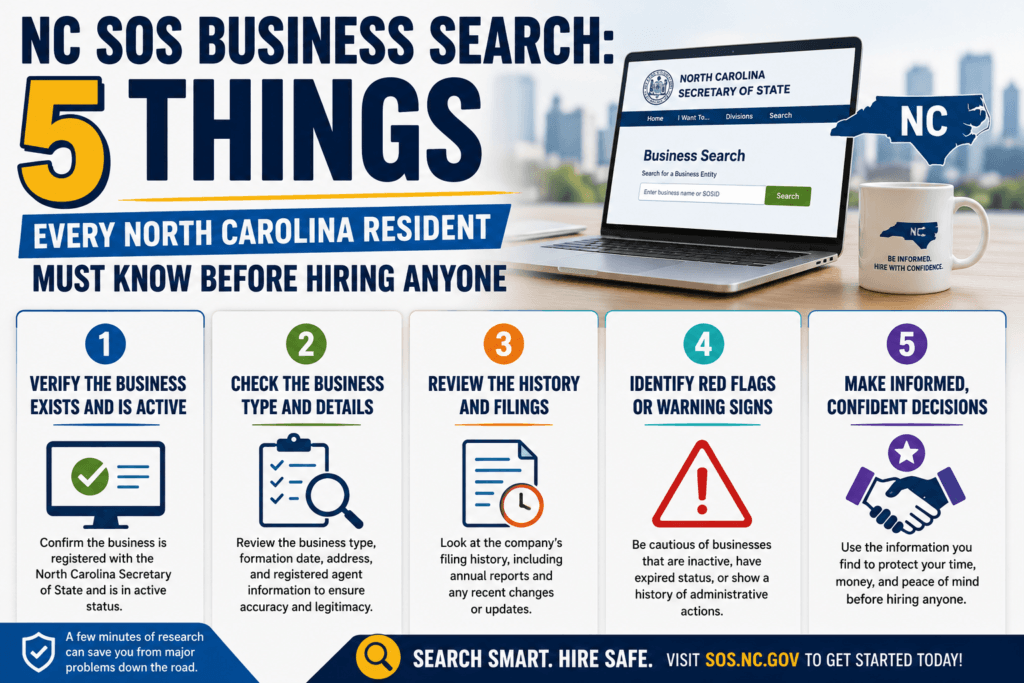
Starting a business in North Carolina means filing paperwork with the state. That paperwork becomes a public record. And that public record is exactly what the NC SOS Business Search tool was built to help people find quickly and without any hassle.
Most people have no idea this database exists. Once they find it though, they use it constantly.
What This Tool Actually Is
NC SOS Business Search is the official online database run by the North Carolina Secretary of State. It holds registration information for every business that has legally formed or registered to operate in the state — corporations, LLCs, partnerships, nonprofits, all of it sitting there waiting to be searched.
Think of it as a phonebook for businesses, except instead of just names and numbers you get filing dates, registered agent details, current standing, and official documents. Everything in one place. Free. No login required.
Who Actually Uses NC SOS Business Search
Honestly? All kinds of people. Lawyers verifying a company’s legal standing before signing contracts. Entrepreneurs checking whether a business name is already taken before they fall in love with it. Journalists figuring out who actually owns a company behind a confusing web of holding names.
Regular people use it too. Someone wants to know if the contractor who just knocked on their door is a real registered business or just a guy with a truck and a business card. NC SOS Business Search answers that question in about thirty seconds.
Getting To The Right Place

Go to the North Carolina Secretary of State website and look for the business registry section. The NC SOS Business Search tool is right there on the main navigation. No account creation, no subscription fee, no form asking for your email address before letting you in.
Just open it and start searching. That accessibility is genuinely one of the better things about how North Carolina handles public business records compared to some other states.
Searching By Business Name
The most common way people use NC SOS Business Search is by typing in a business name. You do not need the exact legal name to get results. Type in something close and the system returns a list of matches ranked by relevance.
One thing worth knowing — search results include inactive and dissolved businesses alongside active ones. That trips people up sometimes. Always check the status column before drawing any conclusions about whether a company is currently operating.
Searching By Registered Agent
This one surprises people who have never done serious business research before. NC SOS Business Search lets you search by registered agent name, which means you can pull up every business in the state associated with a particular person or registered agent company.
Why does that matter? If you are doing due diligence on a business owner, or trying to understand the full scope of someone’s business activity in North Carolina, searching by registered agent can surface connections that a simple name search would completely miss.
What The Results Actually Tell You
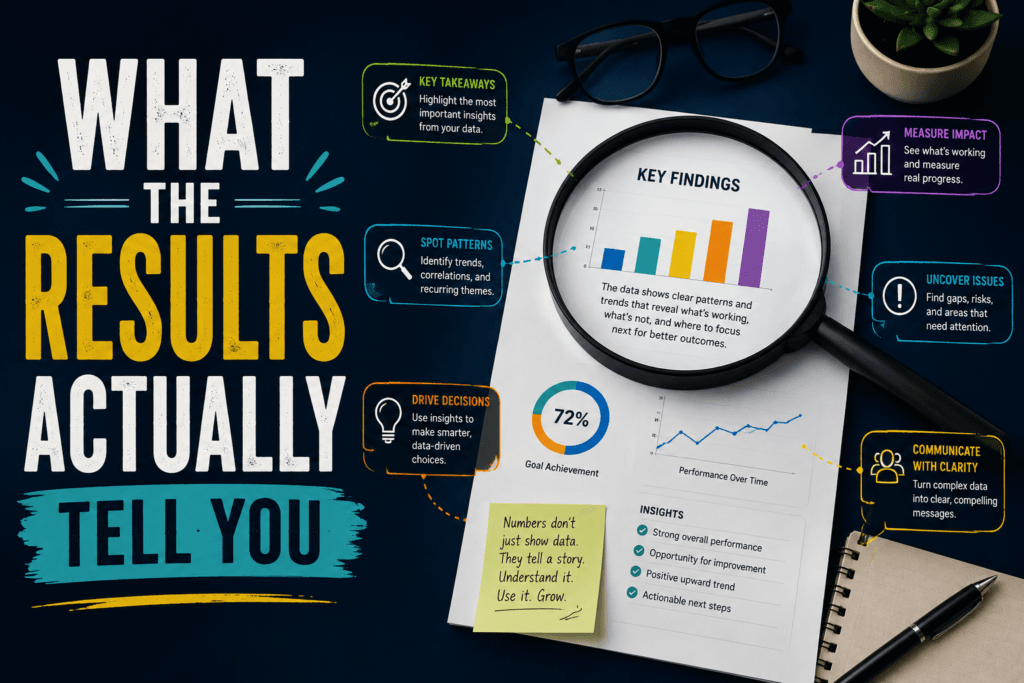
Click on any result in NC SOS Business Search and you get a full profile. The business’s legal name, any assumed names it operates under, the date it was formed, its current status, the registered agent’s name and address, and the principal office address.
For most purposes that information is enough. For deeper research you can pull actual filed documents — articles of incorporation, annual reports, amendments. Those documents are right there attached to the business record in many cases.
Checking Business Name Availability
Planning to start a business in North Carolina? NC SOS Business Search is the first stop before getting attached to any particular name. Run the name through the system and see what comes back.
A clean result does not guarantee the name is legally available — trademark issues exist separately from state registration — but it tells you whether another registered entity in North Carolina is already using that name or something close enough to cause confusion. Better to know before filing than after.
Understanding Business Status Fields
Active means the business is in good standing with the state. That is the one everyone wants to see. But NC SOS Business Search returns several other statuses that are worth understanding before misreading a result.
Dissolved means the business has been formally closed. Suspended usually means annual report filings have lapsed. Administrative dissolution means the state took action because requirements were not met. These distinctions matter a lot if you are deciding whether to enter a contract or extend credit to a company.
Verifying A Contractor Or Vendor
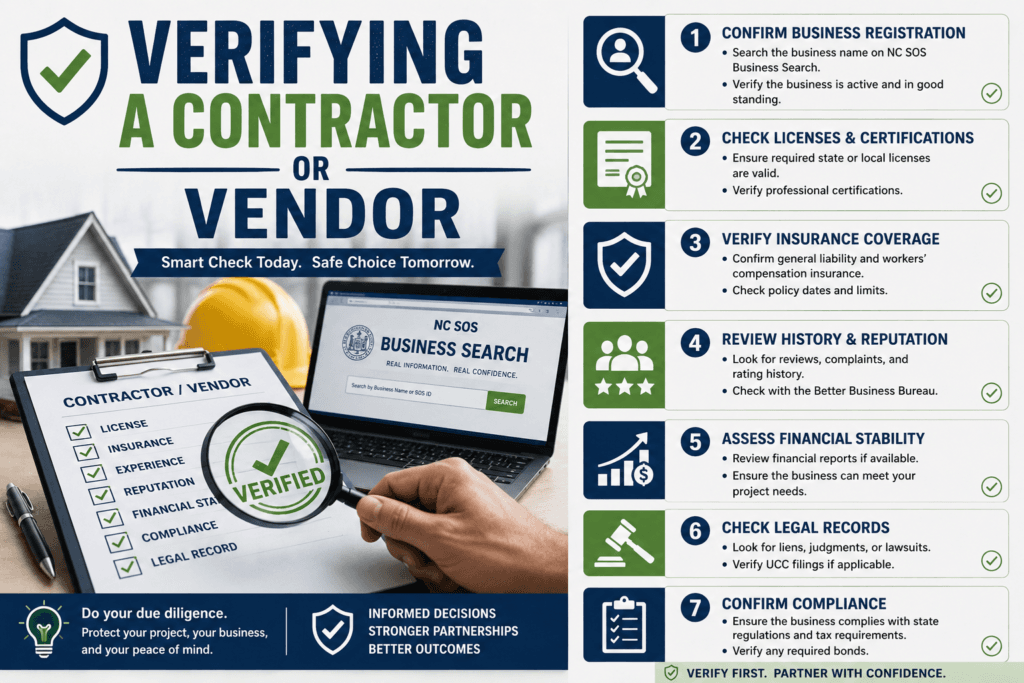
This is probably the most practically useful thing most regular people will ever do with NC SOS Business Search. Before hiring anyone for significant work — home renovation, landscaping, any service contract worth real money — run their business name through the database.
A legitimate registered business shows up with a formation date, a registered agent, and an active status. A business that does not show up at all, or shows up dissolved, is worth a serious conversation before any money changes hands. This takes two minutes and can save a lot of grief.
Researching Competitors Or Partners
Business owners use NC SOS Business Search more than they probably admit publicly. Checking when a competitor formed tells you how long they have been operating. Checking their registered agent sometimes reveals connections to other entities you did not know about.
Before entering a partnership or joint venture, pulling the other party’s business record is just basic due diligence. Formation date, status, filing history — all of it paints a picture of how seriously someone has been managing their business obligations.
When The Search Comes Up Empty
Sometimes NC SOS Business Search returns nothing. That happens for a few reasons. The business might operate under an assumed name that differs from its registered legal name. It might be registered in another state and doing business in North Carolina without a foreign registration on file.
Or it genuinely is not registered. Which is information too. An unregistered business operating in North Carolina is technically in violation of state law, and knowing that changes how you should approach any transaction with them.
Frequently Asked Questions
Is NC SOS Business Search completely free to use?
Yes. The database is publicly accessible at no cost and requires no account creation or login to search and view business records.
How current is the information in NC SOS Business Search?
Records are updated regularly as filings are processed, though there can be short delays between a filing date and when it appears in search results.
Can I find sole proprietorships through NC SOS Business Search?
Sole proprietorships operating under their owner’s legal name are not required to register, so many will not appear in the database at all.
What if the business name I search returns too many results?
Narrow it down by adding the business type or city to your search terms, or use the registered agent search if you know who manages the entity.
Conclusion
NC SOS Business Search is one of those tools that feels almost too useful once you know it exists. Free, fast, publicly accessible, and packed with information that used to require hiring someone to dig through physical filing cabinets at a government office.
Whether you are starting a business and checking name availability, hiring a contractor and wanting to verify they are legitimate, doing competitive research, or just curious about who owns the company behind a website you stumbled across — the NC SOS Business Search handles all of it without asking anything from you in return.
North Carolina’s Secretary of State has put genuine effort into making this database usable for regular people, not just lawyers and accountants. The search interface is clean, the records are detailed, and the access is completely open.
One honest piece of advice before wrapping up. NC SOS Business Search tells you a business’s registration status. It does not tell you whether a business is reputable, financially healthy, or worth trusting with your money or your project. Use it as a starting point for due diligence, not the ending point. Combine what you find there with reviews, references, and your own judgment before making any significant decision. The database is a tool. Like any tool, how useful it is depends entirely on how thoughtfully you use it.