


Every week brings a fresh wave of small business news, and honestly, most of it gets buried under jargon nobody asked for. This roundup skips the fluff. We’re talking real numbers — optimism scores, loan limits, hiring shifts — the stuff that actually changes how you run your shop next month. Small business news right now paints a mixed picture: some owners are finally exhaling, others are still bracing. If you’ve been scrolling past headlines wondering what any of it means for you, grab your chai and settle in.
This is the version of small business news that skips the spin and gets to the point.
Small Business News Today
Here’s the honest truth — small business news used to feel like background noise. Not anymore. Owners are checking economic indicators the way they check the weather before opening the shutters.
Part of that shift comes from how volatile things have felt lately. Fuel prices spike, then dip. Interest rates hold, then move. One month labor is impossible to find, the next it’s a little easier. Nobody wants to be caught off guard, so people are paying attention.
That attention is exactly why a roundup like this matters. Not every data point needs a deep dive, but knowing the direction things are heading? That’s worth five minutes of your morning.
There’s also a bit of noise to filter out, honestly. Plenty of outlets recycle the same three headlines every week, dressed up differently each time. What we’re trying to do here is different — pull the actual numbers, skip the recycled takes, and give you something you can act on before your next staff meeting or supplier call.
None of this is meant to replace talking to your accountant or lender. Think of it more like a warm-up. You show up to those conversations already knowing where things stand nationally, and that alone changes how useful the conversation ends up being.
Optimism Index Climbs Higher
The NFIB Small Business Optimism Index jumped 2.4 points in July, landing at 99.8 — the highest reading since August of last year. Eight of the ten components that make up the index actually improved, which doesn’t happen often.
Hiring plans did most of the heavy lifting here. Owners reported feeling more confident about bringing on staff, and that confidence rippled through the rest of the survey. You can read the full breakdown from NFIB if numbers are your thing.
Still, it’s not all sunshine. The Uncertainty Index climbed too, sitting well above its historical average. Owners are optimistic, sure, but they’re not naive about it.
SBA Loan Limits Double
This one’s a genuine headline, not filler. The SBA now lets borrowers combine 7(a) and 504 loans for up to ten million dollars total — double the previous five million cap that had been sitting untouched since 2010.
Now, before you get excited, this mostly benefits capital-heavy operations — think manufacturers buying equipment or expanding facilities. Most small businesses, the five-person shops and neighborhood bakeries, won’t come anywhere close to that ceiling. The average 7(a) loan still lands around $377,000.
But for the businesses that do need serious capital? This changes the math entirely. Combining programs used to be clunky. Now it’s a real option worth exploring with your lender.
Ownership Rules Got Stricter
Here’s a piece of small business news that flew under the radar for a lot of owners. Starting March of this year, SBA-backed loans require full ownership by U.S. citizens or nationals — no exceptions for green card holders anymore, and no indirect ownership through trusts or holding companies either.
If your business has any ownership structure that isn’t fully domestic, this is worth a phone call to your lender before you assume you still qualify. Rules like this tend to catch people off guard right when they’re mid-application.
Immigrant business advocates have pushed back hard on this one. Whether that pressure changes anything remains to be seen, but for now, the requirement stands.
Hiring Plans Turn Positive
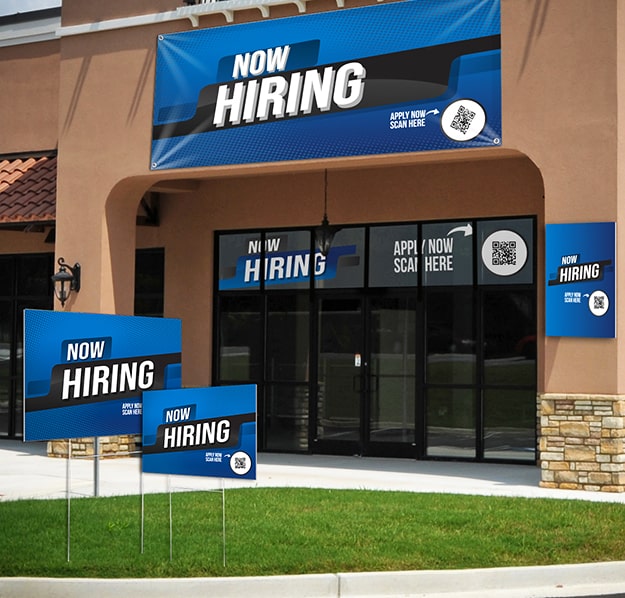
Job creation talk has been all over the place this year, and outlets everywhere have covered it from every angle. Latest numbers, though? A seasonally adjusted 32% of owners say they’ve got openings sitting empty, nobody to fill them.
That’s actually higher than the month before, which sounds bad until you realize it means demand for workers is climbing. Businesses want to hire. They’re just struggling to find the right people fast enough.
Labor quality keeps showing up as a top concern in owner surveys too. It’s not that jobs don’t exist — it’s that matching the right person to the right role is taking longer than anyone would like.
Fuel Costs Still Bite

Not every trend is moving in a good direction. Fuel costs have been a genuine headache for months, and small operations feel that pinch harder than bigger competitors do. Large companies can absorb price swings or negotiate better rates. Corner shops usually can’t.
Passing those costs on to customers isn’t simple either. Raise prices too fast and you lose loyal customers. Eat the cost yourself and your margins shrink. There’s no clean answer here, just a constant balancing act that owners are getting tired of managing.
Lower fuel costs earlier in the summer offered some breathing room, though. Whether that relief sticks around through the fall is anyone’s guess at this point.
Manufacturing Gets Real Momentum

If there’s one bright spot worth flagging, it’s manufacturing. The first quarter of this year saw the first real job growth in that sector since 2023 — a meaningful shift after years of decline.
The SBA has leaned into this with waived guarantee fees for manufacturers this fiscal year and fifty million dollars in training grants for small manufacturers. Add the new International Trade Loan enhancements, and there’s a genuine push to rebuild domestic production capacity.
Whether this spreads beyond manufacturing into other sectors is the bigger question. For now, it’s a narrow but real bright spot in an otherwise mixed picture.
It’s worth saying plainly — this isn’t a rising tide lifting every boat. Some manufacturers are thriving. Others, especially smaller shops without cash reserves to weather supply disruptions, are still catching up. Averages hide that unevenness pretty easily.
What Retail Numbers Show
Retail rarely gets the spotlight in small business news coverage, but the sector’s been quietly shifting all year. Foot traffic patterns have changed since more shoppers split their spending between local stores and online marketplaces, and owners are adjusting inventory decisions accordingly.
What’s interesting is how differently this plays out depending on category. Grocery and essentials-focused shops have stayed fairly steady. Discretionary retail — clothing, home goods, gifts — has felt choppier, tracking closer to consumer confidence swings than anything else.
A lot of retail owners I’ve talked to say the biggest change isn’t sales volume, it’s unpredictability. One week is strong, the next is flat, and there’s no obvious pattern explaining why. That kind of noise makes planning inventory orders genuinely tricky.
Some are leaning harder into loyalty programs and local partnerships to smooth things out. It’s not a fix for macro pressures, but it does give owners a little more control over their own numbers instead of just reacting to whatever the broader economy throws at them.
Seasonal timing matters more than it used to, as well. Owners who used to order inventory on a fixed calendar are shifting toward smaller, more frequent orders based on real-time sales data rather than guessing months ahead. It’s more work upfront, sure, but it cuts down on the dead stock that eats into margins when a trend cools off faster than expected.
Taxes And Regulation Shifts
Tax policy doesn’t usually make for exciting reading, but a few changes worth flagging showed up in small business news cycles this year. The Working Families Tax Cut Act has started feeding into the private sector, according to NFIB’s chief economist, though the effects are still working their way through.
Regulatory rollback has been another theme. A newly formed Deregulation Strike Force has targeted rules that owners have long complained drive up compliance costs without much practical benefit. Whether this actually reduces paperwork in a meaningful way is still an open question — strike forces announce plans faster than they deliver results, historically speaking.
Owners in heavily regulated industries, food service and childcare especially, should keep watching this space. Rule changes here tend to arrive with little warning and immediate compliance deadlines, so a quarterly check-in with your industry association isn’t a bad habit to build.
Regional Differences Worth Noting
National indicators tell part of the picture, but small business news reported at the state level often paints a very different story. Manufacturing-heavy states are seeing more direct benefit from the new SBA loan enhancements and trade programs than states with service-dominated economies.
Coastal metro areas continue dealing with higher labor costs and tighter competition for workers. Meanwhile, some inland and Sun Belt regions are reporting business formation well above their historical norms, partly driven by lower overhead and friendlier local rules.
If you’re only reading national headlines, you’re missing half the picture. Whatever’s happening in your specific state or city often matters more to your bottom line than a national index ever will. Local chambers of commerce tend to publish this granular data, and it’s worth digging up.
Small Business News Snapshot
Sometimes numbers say it faster than paragraphs can. Here’s where things stood as of the most recent reporting:
| Indicator | Latest Reading | Direction |
| NFIB Optimism Index | 99.8 (July) | Up 2.4 points |
| Uncertainty Index | 91 | Above historical average |
| SBA Combined Loan Cap | $10 million | Doubled from $5 million |
| Unfilled Job Openings | 32% of owners | Rising |
| Average 7(a) Loan Size | $377,192 | Steady |
Numbers shift monthly, so treat this as a snapshot rather than gospel. Still, it’s a useful gut check when you’re trying to figure out where things stand right now.
What Owners Should Do
None of this data matters much if it doesn’t change how you actually run things. So here’s the useful bit — the part that turns small business news into something you can act on instead of just scroll past.
Start by checking your loan strategy. If you’re capital-intensive or thinking about expansion, the higher SBA ceiling might genuinely apply to you. If ownership structure is a question mark, get that sorted before you apply anywhere, not after. A quick call to your lender beats an unpleasant surprise mid-application, every single time.
On hiring, don’t wait for the “perfect” candidate if openings are costing you revenue. Sometimes training someone close enough beats holding out for someone who checks every box.
And on fuel and pricing? Review your numbers monthly, not annually — things move too fast for a once-a-year check.
Don’t ignore the regulatory side either. If your industry faces fresh compliance rules, waiting until a deadline lands on your desk is the wrong move.
Finally, pay attention to what’s happening locally, not just nationally. Your city’s labor market and your state’s tax environment often matter more to your results than any headline number.
Frequently Asked Questions
Why does small business news feel more volatile lately?
A mix of fuel price swings, interest rate uncertainty, and shifting labor conditions means indicators move faster than usual. Owners who once checked in quarterly are now tracking monthly reports to stay ahead of sudden shifts.
Is the SBA’s higher loan limit available to everyone?
No. The ten million dollar combined cap mainly helps capital-intensive businesses like manufacturers. Most small operations borrow far less than the previous five million ceiling, so this change won’t affect their day-to-day financing options much.
What changed with SBA loan ownership rules?
As of March 2026, SBA-backed loans require full ownership by U.S. citizens or nationals. Green card holders and indirect ownership through trusts no longer qualify, which has forced some businesses to restructure before applying.
Why is hiring both improving and getting harder?
Demand for workers is genuinely rising, which is good news. But labor quality concerns mean owners are struggling to fill roles quickly, even with more job openings posted than in previous months.
Should I worry about the Uncertainty Index staying high?
It’s worth watching, not panicking over. High uncertainty alongside rising optimism suggests owners feel better about the near term but remain cautious about bigger commitments like expansion or major capital spending.
Are fuel costs going to stay a problem?
There’s no clear answer yet. Costs eased briefly over the summer, offering some relief, but small businesses remain more exposed to fuel volatility than larger competitors with more negotiating power.
Is manufacturing the only sector seeing real growth?
For now, yes, it stands out the most. Waived guarantee fees, new training grants, and trade loan enhancements are fueling that specific sector, though other industries haven’t shown the same level of momentum yet.
How often should I be checking small business news updates?
Monthly is a reasonable rhythm for most owners. Indicators like the optimism index and job reports update on a set schedule, so checking around the same time each month keeps you informed without becoming a distraction.
Final Thoughts
If you’ve made it this far, you already know small business news isn’t background noise — it’s turned into an actual planning tool. This month’s story is cautious improvement: optimism climbing, hiring intentions picking up, real capital sitting there for businesses ready to scale.
But none of that erases the harder parts. Fuel costs remain unpredictable. The Uncertainty Index is still sitting well above where it’s comfortable. And for businesses with mixed ownership structures, new SBA rules mean extra homework before applying for financing.
What ties all of this together is timing. Owners who track these shifts as they happen tend to make better decisions than those catching up after the fact. You don’t need to obsess over every press release. But knowing the general direction — where hiring is headed, what loans are actually available, how fuel prices are trending — gives you an edge that reactive planning never will.
The official SBA financing announcement is worth a read if you’re weighing a capital move soon. Beyond that, treat this roundup the way you’d treat a conversation with someone who’s been paying attention so you don’t have to. Things will keep shifting. Fuel prices will swing again, hiring numbers will move, and some new policy will show up out of nowhere. That’s just how it goes.
For now, the picture is cautiously good. Small businesses aren’t out of the woods, but they’re not stuck in them either. Keep an eye on the numbers, adjust where it makes sense, and don’t let any single headline dictate your whole strategy. That balance — informed but not reactive — is really what staying on top of small business news is all about.
Come back next month for the next update. The numbers will have moved again, they always do, and there’ll be a fresh angle worth breaking down over another cup of chai.