

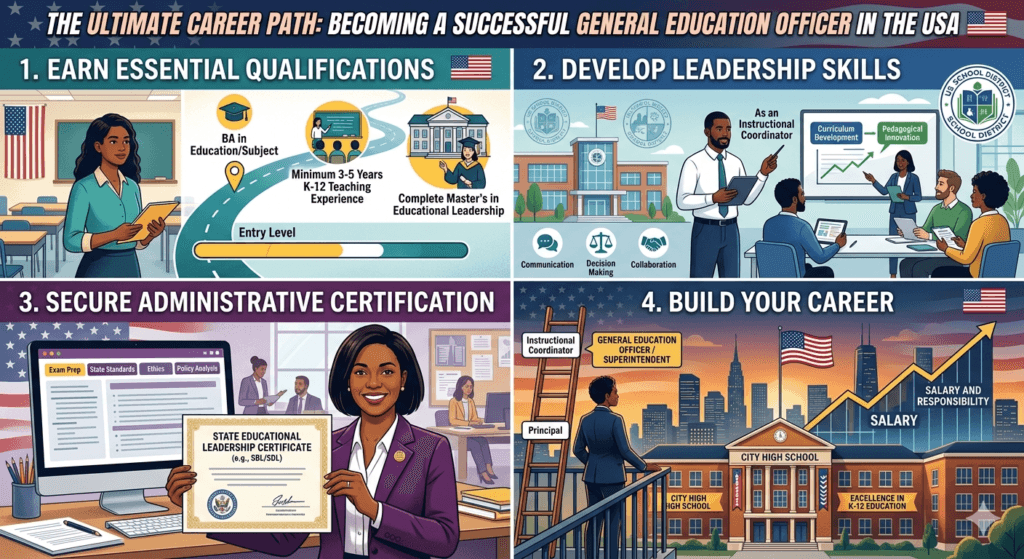
The General Education Officer manages academic standards and school systems for all students. They coordinate between teachers and administration to maintain high instructional quality across the board within their districts. By focusing on institutional growth, the professional ensures curricula align with national standards while remaining accessible to diverse learners. Their daily efforts bridge the gap between complex government policy and practical classroom implementation. These experts act as the backbone of the administrative team, working tirelessly to ensure that every educational goal is met with precision.
Administrative tasks often define the primary workload for a General Education Officer as they monitor student progress. They analyze vast amounts of data to identify areas where schools might be falling short of their annual goals. This proactive approach allows leadership to make quick adjustments in teaching methods or resource allocation. Successful officers are those who can balance the rigid requirements of the law with the flexible needs of a living classroom environment. They must be detail-oriented and ready to tackle any logistical challenge that arises during the busy school day.
Academic Oversight And District Management
Designing and implementing staff training programs is a vital feature for every General Education Officer today. These individuals stay updated on pedagogical trends to provide teachers with the necessary success tools in a changing world. An administrator organizes workshops and peer reviews that encourage professional growth and collaborative solving among the educators. A well-trained staff is the foundation of any successful school district or private educational organization. By investing in the people who teach, the management ensures that the students receive the best possible guidance.
A supervisor is also responsible for reviewing textbooks and digital learning materials used daily. They compare different resources to find the best fit for their specific student demographics and budget constraints. This careful analysis ensures that students receive a quality education that prepares them for future challenges. Choosing the right materials is a critical step in maintaining a competitive edge within the regional education market. They must ensure that every piece of content used is both accurate and engaging for the young minds it inspires.
Essential Leadership Skills Needed
Communication is a vital feature as a General Education Officer interacts with parents, boards, and officials daily. They act as the primary voice for the school’s academic mission using simple and clear terms for everyone. Effective dialogue ensures that all stakeholders agree on school goals and important student safety measures. Without clear communication, even the best educational plans can fail due to a lack of community support or misunderstanding. The ability to listen and respond with empathy is what makes an education expert a true leader.
Strategic planning is a core feature for any General Education Officer preparing long-term academic success for everyone. These leaders create multi-year roadmaps for improving facilities, upgrading curricula, and expanding the institutional reach of the school. This forward-thinking mindset separates an average administrator from those who truly transform their institutions for the better. By anticipating future needs, they ensure the school remains relevant and effective for the next generation of learners. Their vision helps the school navigate through changing social landscapes while maintaining a high standard of academic excellence.
Salary Ranges And Benefits

The average annual pay for a professional General Education Officer is approximately ninety-six thousand dollars. Entry-level staff can expect modest starting salaries reflecting their initial responsibilities in data and school coordination. As experience grows, compensation packages often include generous benefits, retirement plans, and bonuses. Researching local market rates ensures that a worker receives a fair wage for the specific duties and background. It is a career that offers both financial stability and the chance to make a real difference.
Software Functionality And Interface
Modern school management software makes the daily life of a General Education Officer much easier. Digital platforms allow real-time tracking of attendance, grades, and records within one secure interface. Ease of use is a major selling point as it reduces the need for manual paperwork and physical filing systems. An administrator can now generate complex reports with just a few clicks, saving hours of labor. This efficiency allows them to focus more on student outcomes and less on the tedious aspects of data management.
Value For Local Communities
The overall value of an expert is seen in the improved performance of students throughout the year. By ensuring high-quality curricula, these leaders contribute to higher graduation and better college placement rates. The work of a professional provides stability that allows both teachers and students to focus entirely on learning. A dedicated leader’s positive impact is felt throughout the entire community for many years to come. They are the silent architects of a successful future, building the systems that allow young people to achieve aspirations.
Qualification Standards And Experience
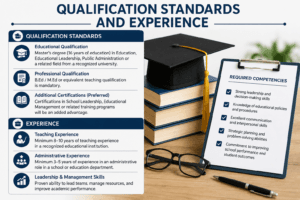
Most organizations require a master’s degree for anyone seeking a position as a General Education Officer. This background provides the theoretical knowledge needed for managing people and complex academic systems. Candidates should also have several years of classroom teaching experience to truly understand the challenges. This dual perspective makes an administrator much more effective when making daily decisions that impact school life. Understanding the reality of the classroom is essential for creating policies that actually work for everyone.
Effective Styles For Leading
Collaborative management is often the most effective approach for a leader working with teaching staff. Instead of giving top-down orders, a successful leader listens to staff concerns and involves them. This builds a high level of trust and ensures that new policies are practical and sustainable for implementation. When teachers feel respected, they are much more likely to go above and beyond. A leader who values team input creates a much more positive and productive working environment.
Budget Oversight And Planning
Managing the school budget is a demanding aspect of being a leader in any district. You must ensure that funds are distributed fairly across all departments, programs, and student activities. This requires a professional to have a deep understanding of accounting principles and justify every expense. Proper financial oversight prevents waste and ensures that resources are used where they have impact. Every dollar saved through efficient management is a dollar that can be reinvested into better student tools.
Safety Standards And Security
School safety is a top priority for any administrator who must design comprehensive security plans. This includes regular fire drills, weather emergency protocols, and protecting the campus from unauthorized visitors. A manager works closely with local law enforcement to ensure that their protocols meet safety standards. A safe environment is the first and most important requirement for a productive learning experience for everyone. When students and staff feel secure, they can focus on learning.
Career Paths And Growth
The career path for an expert offers many opportunities to reach the highest levels of leadership. Many individuals eventually move into roles as school principals or district superintendents. These advanced positions allow for even greater influence over educational directions within the state. The skills you learn are highly transferable to many other leadership roles in the public sector. It is a path that rewards hard work and a passion for improving lives.
FAQ
What exactly is a General Education Officer?
A General Education Officer is a professional role focused on managing academic standards, teacher training, and school administration.
What are the education requirements for this role?
Usually, a Master’s degree in Education and several years of teaching experience are required for someone in this position.
Is an officer responsible for school budgets?
Yes, they play a major role in budget allocation and ensuring financial oversight for the school.
Conclusion
The role of a General Education Officer is a multifaceted and vital position within the modern academic landscape. Throughout this series, we have examined the diverse responsibilities that such a leader carries, from curriculum design and staff management to financial oversight and safety coordination. It is clear that the success of a school district depends heavily on the strategic vision and administrative skill of such an expert. They serve as the essential link between high-level policy and the practical reality of the classroom, ensuring that educational goals are achieved. We have seen how the integration of digital tools has improved the ease of use in managing student data, allowing for more efficiency.
Ultimately, the work of a General Education Officer is about more than just administration; it is about building the framework for a better society for everyone. Their influence creates a lasting legacy that benefits generations of students and the communities in which they live. By prioritizing clear communication and a collaborative spirit, these leaders can create environments where everyone reaches their full potential.